Culinary Terroir & Living Heritage

An inquiry into the preserved foodways, artisanal guild traditions, and agrarian festivals that maintain the cultural identity of Europe’s small towns.

Alpine Agrarian Customs

The Transhumance (Almabtrieb) & High-Altitude Cheese

Every autumn across the Austrian, Swiss, and French Alps, villages celebrate the Almabtrieb—the ritual ceremonial descent of dairy cattle from high summer meadows back down to valley barns. Cows are adorned with elaborate flower headdresses and oversized brass bells to ward off hostile mountain spirits.

The resulting raw milk cheeses (such as Gruyère d'Alpage, Beaufort, and Montasio) are cured for up to 24 months in damp stone cellars, developing complex herbal notes derived from high-altitude wild clover, gentian flowers, and alpine herbs.

Alpage Raw Milk Copper Vats Austrian Salzkammergut Autumn Festival
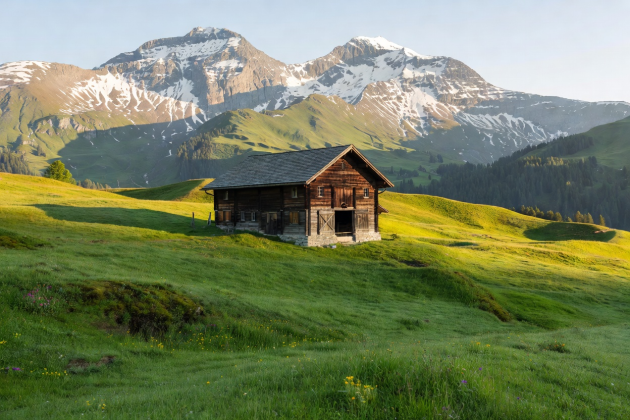
Alpine green pastures and traditional wooden barn in Switzerland
Mediterranean Agronomy

Ancient Stone Restanques & Cold-Pressed Olive Nectar

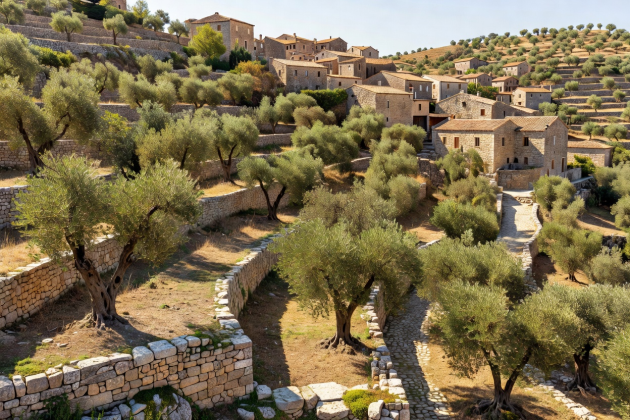
Along the vertical limestone ridges of the Côte d'Azur, Liguria, and Andalusia, farming is made possible only through dry-stone terrace walls called restanques or fasce. Built by hand without mortar over centuries, these walls retain moisture and prevent soil erosion during torrential autumn storms.

Villages like Èze, Dolceacqua, and Albarracín continue to harvest century-old Taggiasca and Cailletier olive varietals, which are crushed within hours in traditional hydraulic stone mills, producing buttery, low-acidity oils essential to regional Mediterranean cuisine.

Cailletier Olives Dry-Stone Masonry Cold Press Mill Provencal Terroir
Mediterranean stone village terraces and olive grove
Nordic Coastal Traditions

The Stockfish Racks (Hjell) of Reine & Lofoten

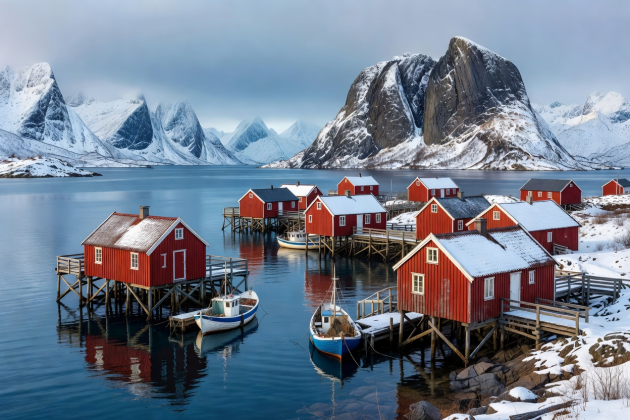
For over a thousand years since the Viking Age, the fishing hamlets of Northern Norway have relied on cold Arctic winds and clean ocean air to preserve cod without the use of salt. From February to May, millions of Skrei cod are tied in pairs and hung upon massive wooden racks called hjell facing the open Norwegian Sea.

The dried stockfish (tørrfisk) is naturally rich in protein and forms the basis of centuries of maritime trade with Italian, Spanish, and Portuguese ports, where it became known as baccalà.

Arctic Skrei Cod Natural Wind Cure Hjell Wooden Racks Maritime Heritage
Lofoten Arctic fishing village with red wooden cabins and fjords