Architectural Anatomy of a Perched Village
Èze is the quintessential village perché of the French Riviera. Built on a rocky pinnacle commanding expansive views from Saint-Jean-Cap-Ferrat to the esterel mountains, the settlement was originally conceived as an impenetrable defensive stronghold against Saracen raiders and coastal pirates during the early Middle Ages.
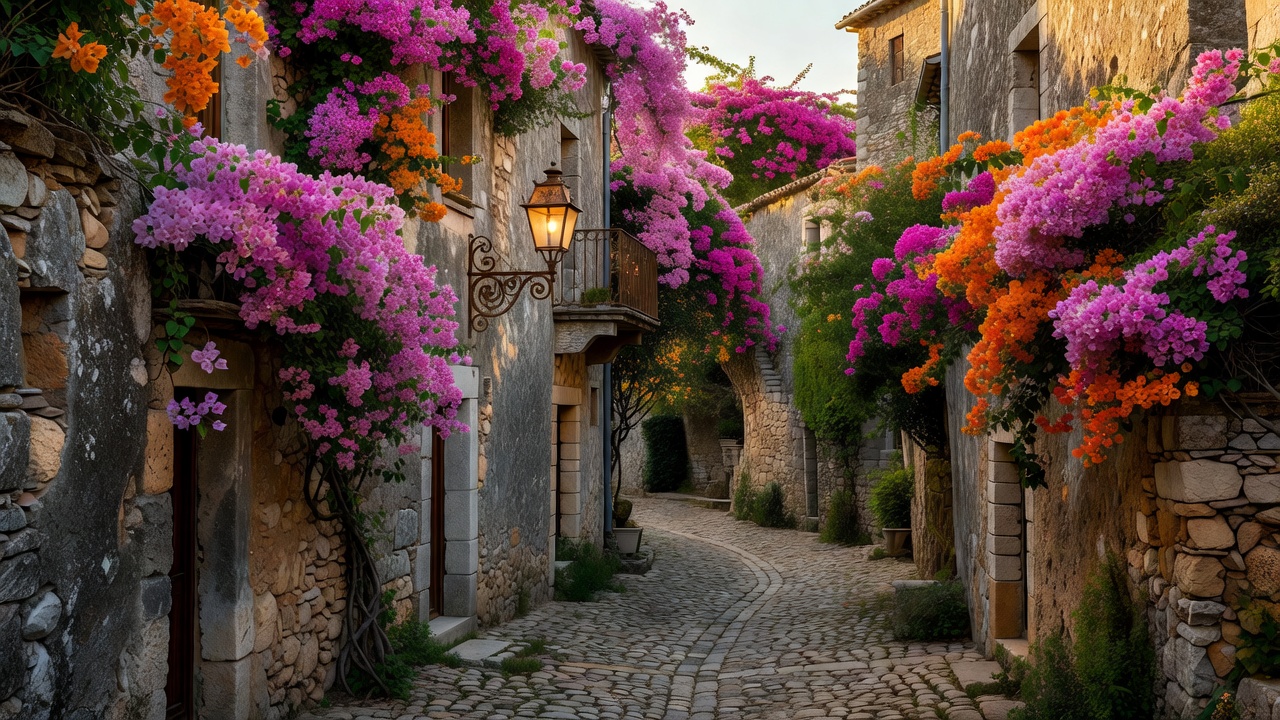
The layout of the village is circular, with concentric stone streets winding upward toward the remains of the 12th-century castle fortress dismantled in 1706 by order of Louis XIV during the War of the Spanish Succession. The buildings are constructed from local golden-tan limestone, reinforced with vaulted ceilings and defensive slit windows.
Le Jardin Exotique & The Castle Ruins
At the apex of the peak, within the crumbling foundations of the ancient fortress, lies the Jardin Exotique d'Èze, engineered post-WWII by Mayor André Gianton and Jean Gastaud of the Monaco Exotic Garden. The microclimate on this south-facing cliff ledge allows hundreds of rare succulent and cactus species from Mexico, South Africa, and the Andes to flourish alongside classical terra-cotta statues by Jean-Philippe Richard.
Nietzsche and the Inspiration of Zarathustra
Between 1883 and 1884, philosopher Friedrich Nietzsche stayed in nearby Nice and frequently climbed the tortuous mule trail connecting the seaside beach of Èze-sur-Mer to the mountaintop village. It was along this steep, scrub-oak-lined path that Nietzsche conceived the third part of his magnum opus, Thus Spoke Zarathustra.
Today, travelers can hike the Chemin de Nietzsche (approx. 1 hour ascent / 45 minutes descent), which offers dramatic views of the Mediterranean coastline and the vertical limestone cliffs.
Artisanal Essence: Perfumery in Provence
For centuries, the surrounding hills of Provence have produced wild lavender, bitter orange blossom, jasmine, and rosemary. Èze is home to historical workshops and distillation laboratories of historic French perfumers like Fragonard and Galimard, preserving traditional methods of flower extraction and soap craft.